

Cosmetic Surgery
Aesthetic Medicine and Cosmetic Procedures
Modern aesthetic medicine encompasses a comprehensive range of minimally invasive treatments designed to address signs of aging, enhance facial features, and improve skin quality through scientifically proven techniques. These procedures combine advanced medical technology with artistic expertise to achieve natural-appearing results that complement individual facial anatomy.
Contemporary cosmetic interventions prioritize patient safety, evidence-based treatments, and individualized care protocols administered by qualified medical professionals in accredited facilities. All procedures adhere to strict medical standards while maintaining patient privacy and confidentiality in accordance with healthcare regulations.
Non-Surgical Aesthetic Interventions
Neurotoxin Injections for Dynamic Wrinkles
Botulinum toxin injections represent one of the most widely performed cosmetic procedures worldwide, effectively treating dynamic facial wrinkles caused by repetitive muscle contractions. This FDA-approved treatment temporarily reduces muscle activity in targeted areas, resulting in smoother skin texture and wrinkle reduction.
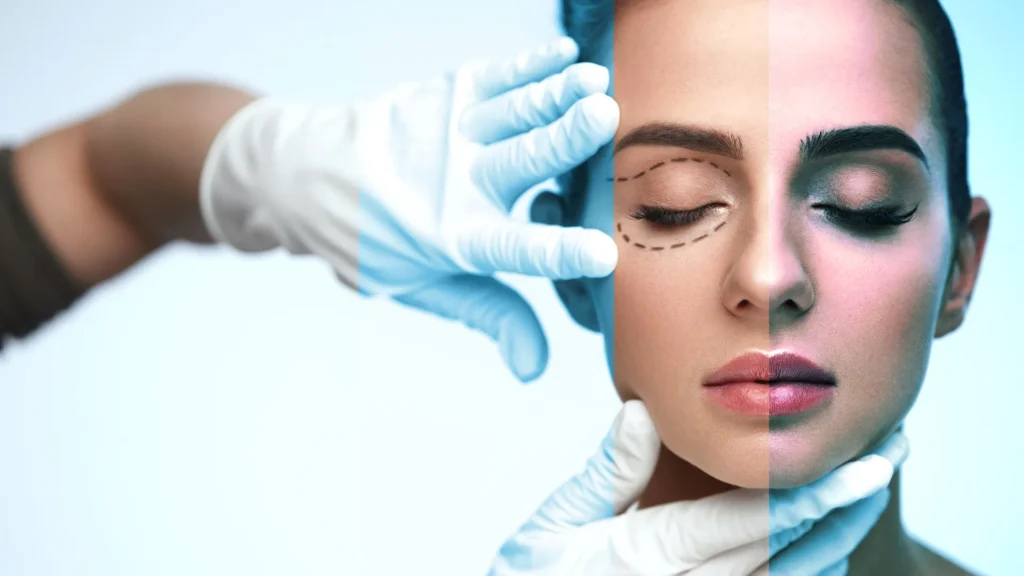
Common treatment areas include glabellar lines between the eyebrows, horizontal forehead creases, and periorbital wrinkles around the eyes. The procedure involves precise injections using ultra-fine needles, with most patients experiencing minimal discomfort and no downtime.
Results typically become visible within 3-7 days following treatment, with peak effects occurring at two weeks. Treatment duration averages 3-6 months, depending on individual factors including muscle strength, metabolism, and dosage administered.
Advanced injection techniques focus on maintaining natural facial expressions while reducing unwanted wrinkles. Proper dosing and injection placement ensure optimal results with natural-appearing outcomes.
Dermal Filler Treatments for Volume Restoration
Injectable dermal fillers provide immediate volume enhancement and facial contouring through strategically placed hyaluronic acid-based formulations. These biocompatible substances integrate naturally with surrounding tissues while providing structural support and hydration.
Treatment applications include lip augmentation, cheek enhancement, nasolabial fold correction, and jawline contouring. Different filler consistencies and crosslinking densities allow for customized treatments based on anatomical requirements and desired outcomes.
Hyaluronic acid fillers offer several advantages including immediate results, reversibility through hyaluronidase enzyme dissolution, and gradual biodegradation over 12-24 months. Advanced injection techniques utilize cannulas and needles to minimize trauma and optimize product placement.
Pre-treatment consultation involves facial analysis, treatment planning, and discussion of realistic expectations. Post-treatment care includes activity restrictions and follow-up appointments to monitor results and address any concerns.
Laser Skin Resurfacing Technology
Laser resurfacing treatments utilize controlled thermal energy to improve skin texture, reduce pigmentation irregularities, and stimulate collagen production. Various laser wavelengths target specific chromophores including water, melanin, and hemoglobin to address different skin concerns.
Fractional laser technology creates microscopic treatment zones while preserving surrounding healthy tissue, resulting in faster healing and reduced downtime compared to traditional ablative methods. Non-ablative lasers provide gradual improvement with minimal recovery period.
Treatment protocols vary based on skin type, condition severity, and desired outcomes. Multiple sessions may be recommended for optimal results, with intervals allowing for proper tissue healing and collagen remodeling.
Common indications include acne scarring, sun damage, melasma, fine lines, and uneven skin texture. Pre-treatment skin preparation and post-treatment care protocols optimize results while minimizing adverse reactions.
Platelet-Rich Plasma Regenerative Therapy
Platelet-rich plasma therapy harnesses the body’s natural healing mechanisms to improve skin quality and texture through concentrated growth factors and cytokines. This autologous treatment involves blood collection, centrifugation, and reinjection of platelet-enriched plasma.
PRP therapy is commonly combined with microneedling procedures to enhance penetration and efficacy. The treatment stimulates cellular regeneration, collagen synthesis, and tissue repair processes for gradual skin improvement.
Applications include facial rejuvenation, acne scar treatment, hair loss therapy, and skin texture enhancement. The natural approach appeals to patients seeking regenerative treatments without synthetic materials.
Treatment protocols typically involve multiple sessions spaced 4-6 weeks apart, with maintenance treatments recommended annually. Results develop gradually over several months as tissue remodeling occurs.
Chemical Peel Treatments
Chemical peels utilize controlled acid solutions to remove damaged skin layers and stimulate cellular turnover. Different peel depths address various skin concerns from superficial pigmentation to deeper scarring and aging signs.
Superficial peels using glycolic, salicylic, or lactic acids provide gentle exfoliation with minimal downtime. Medium-depth peels utilizing trichloroacetic acid address moderate sun damage and scarring. Deep peels using phenol target severe aging concerns but require extended recovery periods.
Proper patient selection considers skin type, medical history, and realistic expectations. Pre-treatment conditioning with retinoids and hydroquinone may be recommended to optimize results and minimize complications.
Post-peel care involves gentle cleansing, moisturizing, and strict sun protection to prevent hyperpigmentation and ensure proper healing. Follow-up appointments monitor recovery progress and address any concerns.
Patient Assessment and Treatment Planning
Comprehensive consultation involves detailed medical history review, physical examination, and discussion of treatment goals and expectations. Facial analysis considers bone structure, soft tissue distribution, and aging patterns to develop individualized treatment plans.
Photography documentation provides baseline references and treatment progress monitoring. Computer imaging may be utilized to demonstrate potential outcomes and facilitate treatment discussions.
Risk assessment identifies individual suitability including medical history, skin condition, and treatment goals. Informed consent processes ensure patients understand procedures, benefits, and expected outcomes.
Treatment sequencing may involve combination approaches to address multiple concerns while optimizing results and minimizing costs. Maintenance protocols help preserve treatment benefits over time.
Safety Protocols and Quality Assurance
All treatments are performed in accredited medical facilities using sterile technique and appropriate safety measures. Medical staff receive specialized training in aesthetic procedures and emergency management protocols.
Product selection emphasizes FDA-approved or CE-marked devices and injectables from reputable manufacturers with established safety profiles. Proper storage and handling procedures maintain product integrity and efficacy.
Emergency protocols address potential complications including allergic responses and tissue reactions. Staff training includes recognition and management of treatment-related concerns.
Regular quality audits and outcome tracking ensure consistent results and identify areas for improvement. Patient satisfaction surveys provide feedback for service enhancement.
Recovery and Aftercare
Post-treatment instructions vary by procedure but typically include activity restrictions, skin care protocols, and follow-up scheduling. Patients receive detailed written instructions and emergency contact information.
Common post-treatment effects include mild swelling, bruising, or redness that typically resolves within days to weeks. Ice application, gentle cleansing, and sun protection support optimal healing.
Follow-up appointments allow for progress monitoring, result assessment, and additional treatment planning if needed. Photography documentation tracks treatment outcomes and provides patient education materials.
Long-term maintenance may include skincare regimens, sun protection, and periodic touch-up treatments to preserve aesthetic improvements.
Modern aesthetic medicine offers safe, effective solutions for facial rejuvenation and enhancement through minimally invasive procedures performed by qualified medical professionals. Proper patient selection, treatment planning, and aftercare protocols ensure optimal outcomes while maintaining natural-appearing results that enhance individual beauty rather than creating artificial appearances.